Hello Friends,
Planning your first African safari is exciting but it’s also different from planning any other type of trip.
This isn’t just booking flights and a hotel. A safari is a curated, moving experience through some of the most extraordinary ecosystems on Earth. It requires thoughtful timing, the right logistics, and an understanding of how wildlife, seasons, and locations all work together.
The good news? Once you understand the basics, the process becomes surprisingly smooth and incredibly rewarding.
~ SafariLife Africa
When to Start Planning (Timeline Matters More Than You Think)
For most first-time safari travelers, timing is everything.
Ideal planning window:
- 6–12 months in advance for peak seasons
- 3–6 months for shoulder or quieter seasons
Why so early?
- Top lodges and camps have limited inventory
- The best guides and routes get booked first
- Internal flights and logistics need coordination
Peak safari periods to plan ahead for:
- July–October → Great Migration in Masai Mara
- January–March → Calving season in Serengeti
If you’re traveling during these windows, earlier is always better.
Understanding Safari Costs (What You’re Really Paying For)
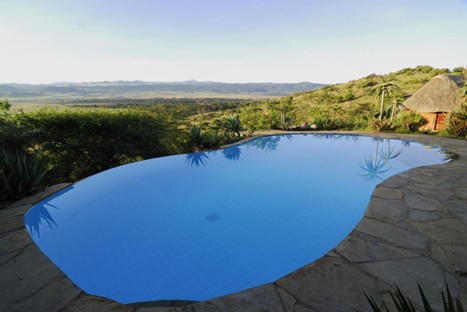
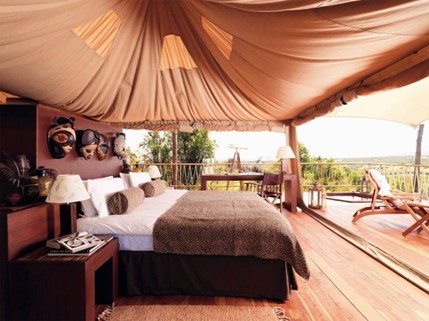
Safari pricing can feel confusing at first but it becomes clear when you understand what’s included.
Typical cost range (per person, per night):
- Mid-range: $350–$700
- Luxury: $700–$1,500+
What’s usually included:
- Accommodation (often full board)
- Daily game drives with expert guides
- Park and conservation fees
- Some internal transportation
What’s not always included:
- International flights
- Tips for guides and staff
- Optional experiences (balloon safaris, cultural visits)
You’re not just paying for a place to stay… you’re investing in:
- Wildlife access
- Expert guiding
- Seamless logistics in remote areas
Choosing the Right Destination (Not All Safaris Are the Same)
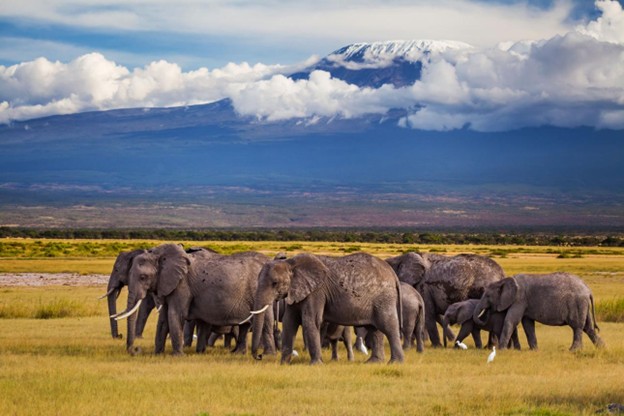
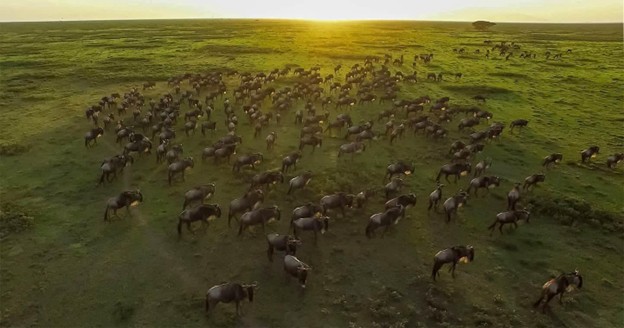
Africa is vast, and each region offers something different.
Popular first-time safari destinations:
- Kenya
Ideal for classic safari experiences and diverse landscapes
Highlights: Masai Mara, Amboseli, Laikipia - Tanzania
Incredible scale and iconic wildlife regions
Highlights: Serengeti, Ngorongoro Crater - Uganda / Rwanda
Best for gorilla trekking and rainforest experiences
Your ideal destination depends on:
- Wildlife priorities (Big Five vs. primates)
- Travel style (luxury, mid-range, mobile camps)
- Time of year
What a Safari Day Actually Looks Like
Many travelers are surprised by the rhythm of safari life.
A typical day:
- Early morning game drive (best wildlife activity)
- Midday rest at camp/lodge
- Afternoon or evening game drive
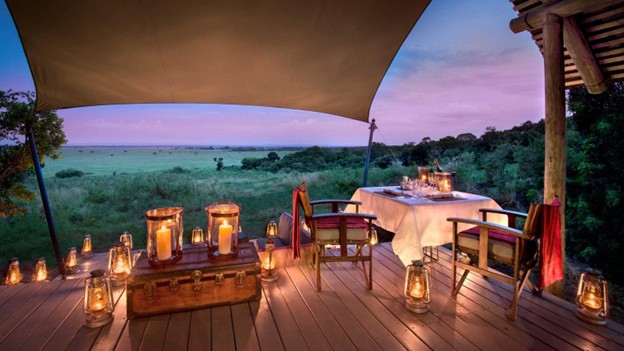
- Dinner under the stars
Wildlife doesn’t run on a schedule… so flexibility is part of the magic.
What to Expect (And What Surprises People Most)
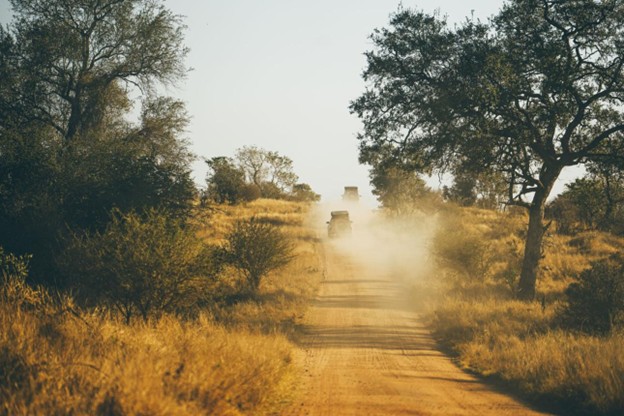
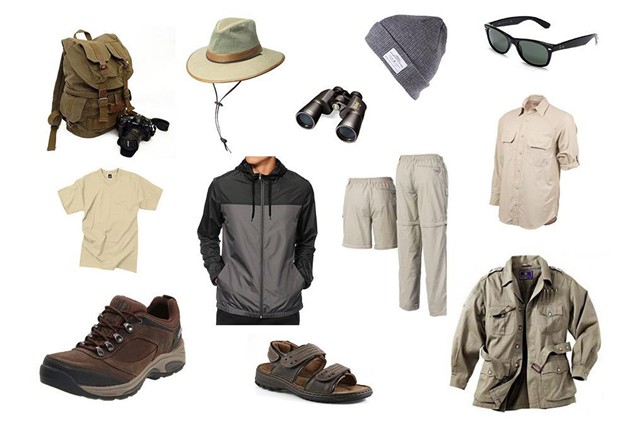
Things first-time travelers often don’t expect:
- Distances are longer than they look on a map
- Early mornings are essential (and worth it)
- Wildlife sightings are never guaranteed—but often extraordinary
- Guides make or break the experience
And perhaps most importantly…
Safari is not a checklist.
It’s an immersion.
Common Mistakes to Avoid
- Waiting too long to book peak season travel
- Trying to visit too many parks in one trip
- Underestimating travel time between locations
- Choosing price over guiding quality
A well-designed itinerary will always outperform an overpacked one.
Final Thoughts: It’s More Than a Trip
Your first safari will likely change how you see travel.
It slows you down.
It reconnects you with nature.
And it reminds you how extraordinary the natural world truly is.
With the right planning and the right team guiding you… it becomes seamless, inspiring, and unforgettable.
Ready to Start Planning?
If you’re considering your first safari in East Africa, our team at SafariLife Africa is here to guide you every step of the way… from choosing the right destination to crafting a fully customized experience.
I’m a passionate travel guide, artist, and storyteller who’s explored over 50 countries and counting! I believe travel should do more than just take you places… it should transform you, connect you, and give back to the world we wander through.
With adventure + heart,